The Hidden Markup: What Major Pharmacy Chains Charge for Generic Tadalafil vs. What You Should Actually Pay
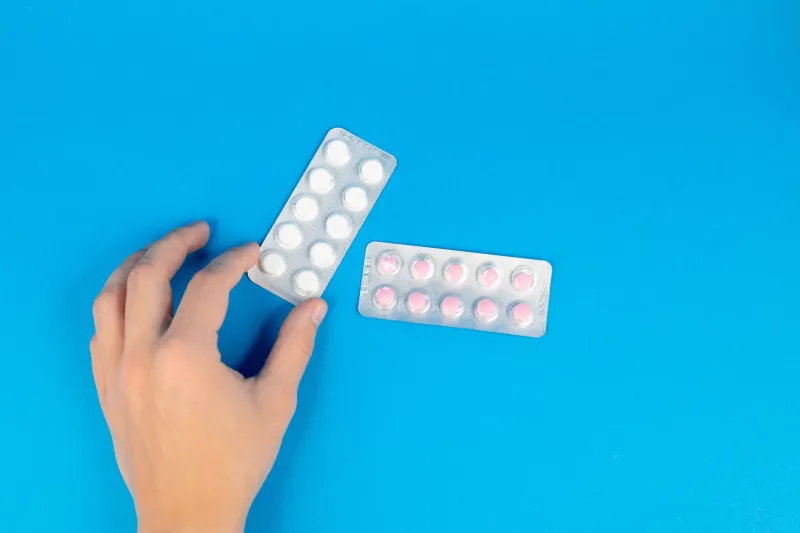
When a man fills a prescription for generic tadalafil at a major retail pharmacy, he typically hands over his insurance card, waits at the counter, and accepts whatever price appears on the register. Most men never question it. That unquestioning acceptance, it turns out, is enormously profitable for the pharmacy chains collecting the payment.
A closer look at retail pricing data for generic tadalafil — the active ingredient in Cialis — reveals a pricing landscape that is difficult to justify on any grounds other than market positioning and consumer inertia. The same 20mg tablet that costs a direct-to-consumer pharmacy between $0.50 and $1.50 per pill can appear on a CVS or Walgreens receipt at $8.00 to $15.00 per tablet, depending on the dosage quantity and whether a discount card is applied.
That is not a minor discrepancy. That is a structural problem worth examining.
How Retail Pharmacy Pricing Actually Works
To understand the markup, it helps to understand how retail pharmacies set their prices. Unlike most consumer products, prescription drug pricing at major chains is not purely competitive. Pharmacies negotiate separately with pharmacy benefit managers (PBMs), insurance networks, and drug wholesalers. The result is a layered pricing system with multiple intermediaries, each extracting a margin before the medication reaches the consumer.
For brand-name drugs, this system is somewhat expected — manufacturers set high list prices, and the negotiation process determines what insurers and patients ultimately pay. For generics, however, the calculus is different. Generic tadalafil has been available in the United States since 2018, when Eli Lilly's patent on Cialis expired. Manufacturing costs for the generic version are low, and multiple producers compete for market share. In theory, robust competition should push retail prices down. In practice, major chains have been slow to pass those savings along.
Why? Because they do not have to. Most patients do not comparison shop for prescriptions the way they shop for electronics or groceries. The assumption that all pharmacies charge roughly the same — and that the prescription counter is not a negotiating environment — keeps consumers from looking elsewhere.
The Numbers: A Retail vs. Direct-to-Consumer Comparison
Consider the following approximate price comparisons for a 30-tablet supply of generic tadalafil 20mg, without insurance:
- CVS Pharmacy: approximately $280–$320
- Walgreens: approximately $260–$310
- Rite Aid: approximately $240–$290
- GoodRx-assisted retail price: approximately $60–$90 (varies by zip code and pharmacy)
- Direct-to-consumer online pharmacy: approximately $30–$60
These figures are not static — they shift based on location, coupon availability, and formulary negotiations — but the pattern is consistent. Without active intervention, a man filling his tadalafil prescription at a major chain is likely paying two to five times more than he would through a direct-to-consumer model.
Annualized, the difference is substantial. A man taking one 20mg tablet every three days — a common usage pattern given tadalafil's extended duration — might use approximately 120 tablets per year. At a retail chain price of $10 per tablet, that is $1,200 annually. Through a reputable online pharmacy, the same supply might cost $180 to $240. The gap is not a rounding error. It is the difference between a medication that strains a budget and one that fits comfortably within it.
Why Chains Maintain These Prices
Retail pharmacy chains operate on thin margins in many product categories, but prescription drugs — particularly those purchased by patients without strong insurance coverage — represent a reliable revenue source. Generic medications, counterintuitively, can generate higher percentage margins than brand-name drugs, because the low acquisition cost amplifies the markup on the final sale price.
Chains also benefit from the complexity of the pricing system itself. When a patient uses an insurance card, the final out-of-pocket cost depends on plan design, formulary tier, and deductible status — variables that obscure the underlying drug price entirely. When the patient is uninsured or underinsured, they are often quoted the pharmacy's cash price, which bears little relationship to what the pharmacy actually paid for the medication.
Additionally, the physical convenience of a major chain — the familiar logo, the in-store experience, the ability to pick up a prescription alongside household goods — carries a premium that many consumers pay without realizing it.
Direct-to-Consumer Models and What They Change
The emergence of direct-to-consumer online pharmacies has introduced genuine price competition into a market that largely avoided it for decades. By eliminating the physical retail footprint, the PBM intermediary layer, and the brand premium associated with large chains, these platforms are able to offer generic tadalafil at prices that more accurately reflect actual manufacturing and distribution costs.
For consumers, the practical implication is significant. A legitimate online pharmacy that is licensed in the United States, requires a valid prescription, and dispenses FDA-regulated medications can offer the same generic tadalafil — manufactured to identical bioequivalence standards — at a fraction of the retail chain price.
The medications are not inferior. Generic tadalafil must meet the same FDA standards for active ingredient concentration, dissolution rate, and bioavailability as the brand-name product. A tablet dispensed through an online pharmacy and a tablet dispensed at CVS contain the same active compound, produced under the same regulatory framework.
What You Can Do Right Now
If you are currently filling a tadalafil prescription at a major retail chain, there are several concrete steps worth taking before your next refill.
First, check GoodRx or a similar prescription discount platform to establish a baseline comparison price at local pharmacies. This alone can reveal significant variation within a single zip code.
Second, explore licensed direct-to-consumer options. Reputable platforms require a prescription and operate under state pharmacy board oversight. The process is typically straightforward: upload your prescription or complete a telehealth consultation, and the medication ships directly to your address.
Third, ask your prescriber about quantity. Larger supply orders — 90 tablets versus 30 — often reduce the per-unit cost substantially, regardless of which pharmacy you use.
The major chains are not going to advertise the alternatives. That is not how retail works. But the information is available, the alternatives are legitimate, and the savings are real. The only variable is whether you take the time to look.