Why Your ZIP Code Determines What You Pay for Generic Tadalafil — And What You Can Do About It

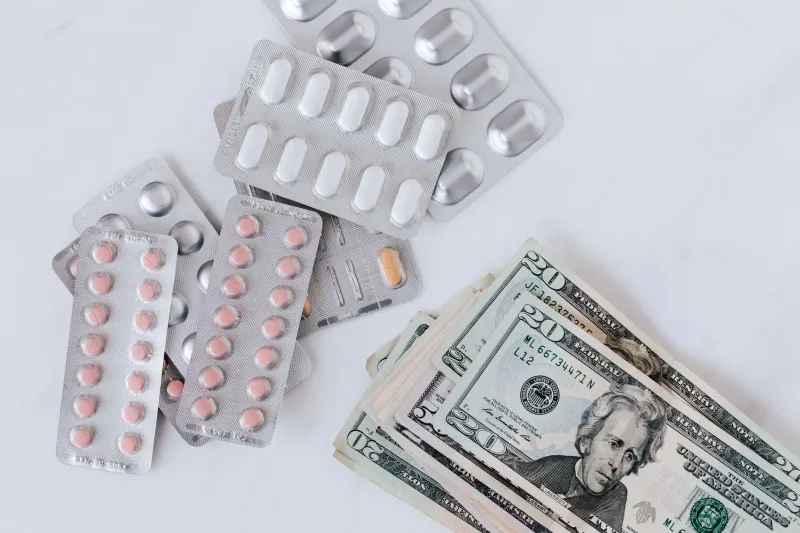
There is a quiet injustice embedded in the American pharmaceutical market that most men never think to question: the same 20mg generic tadalafil tablet, manufactured by the same FDA-approved facility, can carry a price tag that varies by hundreds of dollars per year depending solely on the state — or even the city — in which you fill your prescription.
This is not a minor rounding difference. For men managing erectile dysfunction on a fixed income or without comprehensive insurance coverage, geographic pricing disparities represent a genuine financial burden. Understanding why this happens, and how to navigate around it, is precisely the kind of practical knowledge that separates informed consumers from those quietly overpaying.
The Regulatory Patchwork Behind Regional Pricing
The United States does not operate a unified pharmacy pricing system. Instead, each state maintains its own pharmacy licensing board, its own rules governing how pharmacies may source and distribute medications, and its own relationship with pharmacy benefit managers (PBMs) — the largely opaque middlemen who negotiate drug prices between manufacturers and insurers.
This fragmented structure means that a pharmacy operating in California faces a different regulatory cost environment than one operating in Mississippi. State-level licensing fees, mandatory continuing education requirements for pharmacists, and varying inspection protocols all contribute to overhead costs that ultimately flow downstream to the consumer.
Beyond licensing, some states have enacted legislation that directly affects how PBMs operate within their borders. States like New York and California have passed laws requiring greater PBM transparency, which in some cases has reduced the hidden spread markups that PBMs collect on generic medications. Other states — particularly those with weaker consumer protection frameworks — remain fertile ground for PBM practices that inflate the final price paid at the counter.
Regional Supply Chains and Their Pricing Consequences
Pharmacy supply chains are not as nationally uniform as the large chain brands might suggest. While CVS, Walgreens, and Rite Aid operate centralized procurement systems, independent pharmacies — which still account for a meaningful share of dispensing volume in rural America — often source generics through regional wholesalers. The pricing these wholesalers offer varies based on regional demand, warehouse proximity, and negotiated volume agreements.
In densely populated urban markets like Chicago, Houston, or the New York metropolitan area, high prescription volume gives pharmacies and their wholesalers meaningful negotiating leverage. Generic tadalafil moves in large quantities, and that volume translates into lower per-unit acquisition costs.
Contrast this with rural states such as Wyoming, Montana, or parts of Appalachia, where lower population density means smaller order volumes, higher per-unit wholesale costs, and — critically — fewer competing pharmacies to drive prices down through market pressure. Men in these regions frequently pay a geographic premium simply because the local market cannot support the same competitive dynamics as a major metropolitan area.
The States Where Generic Tadalafil Costs the Most
While precise pricing shifts constantly, certain patterns emerge consistently across pharmacy pricing databases and consumer surveys. States with the following characteristics tend to produce the highest out-of-pocket costs for generic tadalafil:
- Limited pharmacy competition: States with fewer pharmacies per capita, particularly in rural regions, see less price competition.
- Weak PBM regulation: States that have not enacted transparency or anti-spread-pricing legislation allow PBMs to extract larger margins.
- Low generic substitution rates: In states where brand-name prescribing habits remain entrenched, generic market penetration is lower, reducing the competitive pressure that drives generic prices down.
- Restrictive telehealth frameworks: States that impose additional licensing or practice requirements on out-of-state telehealth providers limit consumers' access to prescription services that often connect patients with lower-cost dispensing options.
Based on these factors, men in states such as West Virginia, Alaska, Wyoming, and parts of the rural South consistently report higher pharmacy prices for generic tadalafil compared to residents of more competitive markets.
Where Pricing Tends to Be More Favorable
On the other end of the spectrum, states with robust pharmacy competition, strong PBM oversight, and well-developed telehealth ecosystems tend to offer more favorable pricing environments. Texas, despite its size, hosts an intensely competitive urban pharmacy market in cities like Dallas and Austin. Florida's large retiree population has historically driven aggressive generic pricing competition. And several Midwestern states with high rates of generic drug adoption maintain lower average costs for medications like tadalafil.
California presents an interesting case: its regulatory environment is demanding, which raises pharmacy overhead, but its sheer market size and aggressive PBM legislation have produced a reasonably competitive generic market for common medications.
The Legal Pathway to Lower Prices Regardless of Your State
Here is the critical point that many men in high-cost states overlook: your physical location determines where you can walk into a pharmacy, but it does not necessarily determine where you must purchase your medication.
Federal law and the regulatory frameworks of most states permit consumers to fill prescriptions through licensed online pharmacies, provided those pharmacies hold appropriate state licensure and dispense only FDA-approved medications with a valid prescription. This legal framework creates a genuine opportunity for men in high-cost geographic markets.
A resident of rural Alaska paying $4 per tablet at a local pharmacy can, with a valid prescription in hand, access a licensed online pharmacy operating in a more competitive market environment and potentially pay a fraction of that cost for the identical medication. The tadalafil itself is the same molecule, manufactured under the same FDA oversight — only the distribution channel and its associated cost structure differ.
This is not a loophole or a gray area. It is the intended function of a competitive marketplace operating within a federal regulatory framework.
Practical Steps for High-Cost-State Residents
If you suspect your state's pricing environment is working against you, the following steps represent a straightforward path toward cost reduction:
-
Obtain a current, valid prescription. Telehealth platforms operating across most US states can facilitate this efficiently and affordably, often without requiring an in-person office visit.
-
Request your prescription in written form. This gives you the flexibility to present it to any licensed pharmacy of your choosing, rather than having it routed automatically to a single dispensing partner.
-
Compare prices across licensed online pharmacies. Tools such as GoodRx and NeedyMeds offer price comparison functions, but direct pricing from licensed online pharmacies — including discount-focused retailers — often undercuts even those benchmarks.
-
Consider a 90-day supply. Most licensed online pharmacies offer meaningful per-tablet discounts when prescriptions are filled in larger quantities, compounding the savings available to price-conscious consumers.
-
Verify licensure before purchasing. The National Association of Boards of Pharmacy (NABP) maintains a directory of verified internet pharmacy practice sites. Any pharmacy you purchase from should appear in this database or hold verifiable state licensure.
The Bottom Line
The American pharmaceutical market is not a level playing field. Geography, regulatory history, and market structure conspire to ensure that men in certain states pay substantially more for the same generic tadalafil that others access at a fraction of the cost. This disparity is real, it is significant, and — importantly — it is not inevitable.
By understanding the forces that create regional pricing differences and taking deliberate steps to access licensed, competitive dispensing channels, men across all fifty states can access affordable ED medication without being penalized for their ZIP code. The medication you need exists. The regulatory framework to obtain it legally exists. The only variable is whether you choose to navigate that framework strategically.